
Hail damage on your roof? What Texas homeowners should do first
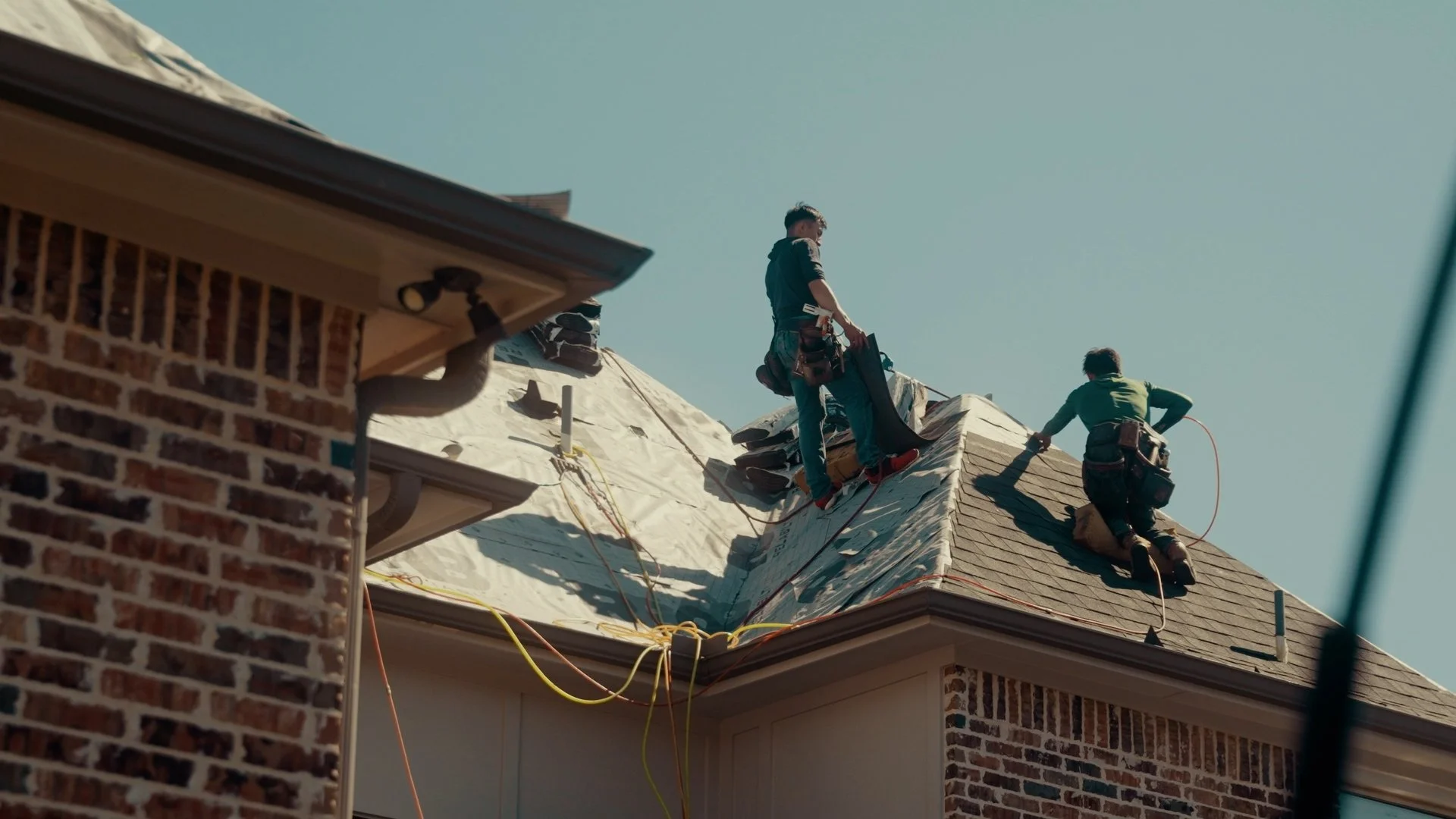
When hail hits, the first instinct is to climb up and look. Do not. The single most important first step is to stay off the roof and instead document everything from the ground, because a wet or hail-scattered roof is dangerous and the photos you take in the next day or two are what protect your roofing claim later.
North Texas gets some of the worst hail in the country. We see the aftermath every storm season, and the homeowners who come out ahead are not the ones who move fastest. They are the ones who move in the right order. Here is that order.
Step 1: Make sure everyone and everything is safe
Before you think about the roof, check for hazards. Look for downed power lines, broken glass, and standing water near outlets. If hail broke a window or a skylight, get the area cleared and covered. The roof can wait an hour. Your safety cannot.
Step 2: Document the damage from the ground
This is the step most people skip, and it is the one that matters most for your wallet.
Walk the property with your phone and take dated photos of everything hail touched: dented gutters and downspouts, dings on the AC unit, marks on the fence, the mailbox, the car, and any hail still on the ground next to something for scale. Photograph broken or scattered tree limbs too. All of it builds a picture that ties the damage to a specific storm on a specific day.
You will not be able to photograph the shingle damage yourself, and that is fine. That is what the inspection is for. Your job right now is to capture the evidence you can safely reach.
Step 3: Look for the warning signs you can see
You can learn a lot without leaving the ground:
Check gutters and downspouts for dents and for a buildup of shingle granules, which look like coarse black sand.
Look at metal surfaces like vents, the AC condenser, and flashing for fresh dimples.
Inside, check ceilings and the attic for any new water spots or daylight coming through.
If your gutters are dimpled and full of granules, your shingles almost certainly took damage even if the roof looks normal from below.
Step 4: Hold off on calling your insurance company first
This surprises people, but there is a reason for it. If you call your insurer before you actually know whether you have real damage, you may open a claim that goes nowhere and still counts against your record. The better sequence is to get a free professional inspection first, find out what the damage actually is, and then file with real information in hand.
A local roofer can tell you in one visit whether the damage clears your deductible and is worth a claim at all. We give you that answer straight, in writing, with no pressure to file either way.
Step 5: Get a free inspection from a local roofer
Bring in a licensed local company, not the first storm-chaser who knocks. After every big hail event, out-of-area crews swarm neighborhoods and push hard for a signature. A company based here in the Dallas-Frisco area is accountable long after the truck leaves. We are family-owned, licensed and insured in Texas, and we have been working North Texas roofs for years.
The inspection should cover the shingles, the flashing, the vents, and the attic, then end with a clear recommendation: repair, replace, or keep an eye on it. From there you will know whether to file a claim, and you will have the documentation to back it up.

The short version
Stay safe, photograph everything you can reach, check the ground-level signs, and get a free inspection before you call your insurer. If you want the deeper walkthrough on repair, our guide on storm and hail damage roof repair covers what comes next, and our roof insurance claim guide walks through filing.
Ready to get the roof checked? Schedule a free inspection or call (469) 285-4457. We will usually be out the same day.
Frequently asked questions
Should I get on my roof to check for hail damage myself? No. A storm-hit roof is slippery and the damage is hard to read without training. Document from the ground and let a professional inspect the surface.
Do I call insurance or a roofer first after hail? A roofer first, ideally one who inspects for free. Knowing the real extent of the damage before you file keeps you from opening a claim that does not clear your deductible.
How long do I have to act on hail damage in Texas? Policies vary, but many give you about a year to file. Sooner is always better because it ties the damage to the storm and stops leaks from spreading.
What if I do not see any damage from the ground? You can still have hidden shingle and granule damage. A free inspection settles it without risk, which is why we recommend one after any significant hail.