

Slab Leak Detection and Repair in the Dallas-Frisco Area —
A water bill that jumped, a warm spot on the floor, or the sound of water running when nothing is on. We locate the leak first with electronic detection, then show you the repair options before anybody breaks concrete.



Family Owned Since 1978
5-Star Google Rated
Same-Day Response Available
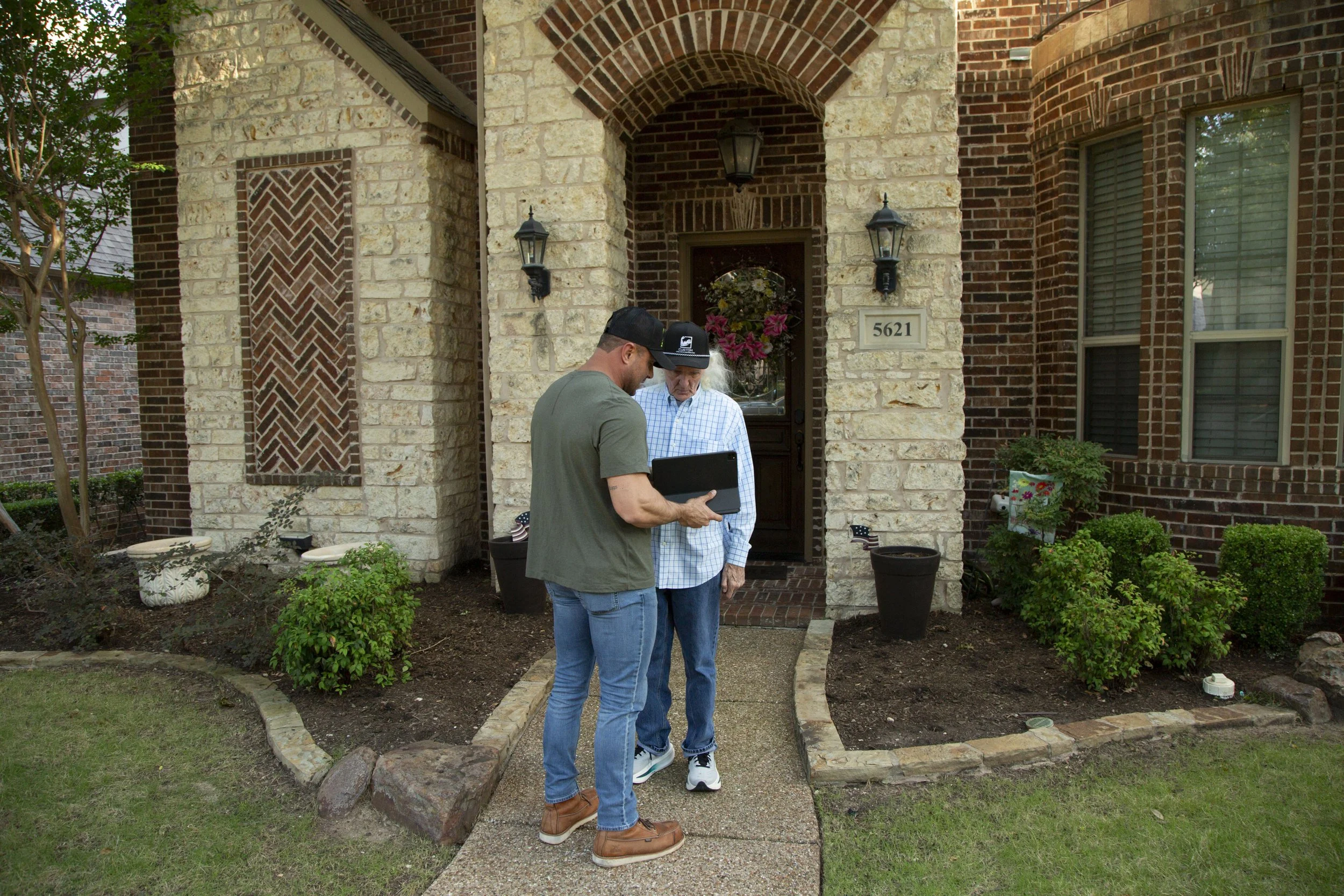
A slab leak damages the house long before you find it —
A pipe under your foundation can leak for months without anything obvious happening upstairs. The water has to go somewhere, so it soaks the soil under the slab, and in North Texas clay that means the ground under one part of your house is swelling while the rest stays dry. That is how a plumbing problem turns into a foundation problem.
By the time most homeowners notice, they are seeing the second-order signs: a water bill that climbed for no reason, a patch of floor that is warm underfoot, hairline cracks appearing in drywall, or a faint running-water sound in a quiet house. Those are worth acting on quickly. The leak itself is usually a small repair. The damage from waiting is not.
How it Works
How we find and fix a slab leak—
1. Confirm there is actually a leak.
We isolate the system and run a pressure test. This tells us whether water is escaping and whether it is on the pressurized supply side or the drain side, which changes everything about the repair.
2. Locate it before we open anything.
We use electronic acoustic detection and thermal imaging to pinpoint the leak. The goal is a marked spot on the floor, not an exploratory demolition.
3. Give you the repair options in writing.
Depending on where the leak is and the age of your plumbing, that is usually a spot repair through the slab, a reroute of that line through the wall or attic, or a repipe if the system is failing in multiple places. You get the cost and the tradeoffs for each.
What we do on a slab leak call
-
Pressure testing to confirm a leak and isolate supply versus drain
-
Electronic acoustic leak detection and thermal imaging
-
Precise leak location marked on the floor before any demolition
-
Spot repair through the slab where that is the right call
-
Line reroute through walls or attic to bypass a failing section
-
Whole-home repipe when the system is failing in more than one place
-
Camera inspection of drain lines under the slab
-
Water bill and usage review to help confirm the size of the loss
-
Written documentation of the leak and repair for insurance or foundation claims
-
Coordination with your foundation contractor when the leak has already caused movement
The right answer is sometimes the cheaper one —
The Hamilton family has been in the trades since 1978, and Custom Cooling & Contracting has served the Dallas-Frisco area since 2014. Family-owned, Native American-owned, licensed and insured in Texas and Oklahoma.
Slab leaks are the job where a homeowner is most likely to be talked into more work than they need, because the problem is invisible and the words sound alarming. A single copper pinhole leak in an otherwise healthy system is a spot repair. A house on its third leak in two years is telling you the pipe itself is failing and a reroute or repipe will cost less over time than another round of concrete work. We will tell you which situation you are in and let you decide, and we will put it in writing either way.
Being a general contractor as well as a plumbing company matters here. After the leak is fixed, someone still has to patch the slab, replace the flooring and repair the drywall. We handle that rather than leaving you to line up a second and third contractor.

Proudly Serving the Dallas-Frisco & Surrounding Communities —
Whether you're in the heart of Frisco or out in the surrounding communities, Custom Cooling and Contracting is your local multi-trade team. We come to you fast.

Top Rated in Our Industry
Slab leak detection and repair across the Dallas-Frisco area—
Custom Cooling & Contracting handles slab leak detection and repair for homeowners across Frisco, Dallas, Plano, McKinney, Allen, Prosper, Celina, The Colony, Lewisville, Flower Mound, Carrollton, Denton, Irving, Richardson, Garland and Mesquite. We locate leaks with electronic acoustic equipment and thermal imaging, then repair them by spot repair, reroute or repipe depending on what the plumbing actually needs.
-
Slab leaks are more common in North Texas than in most of the country, and the reason is under the house. The metroplex sits on expansive clay that swells when it takes on water and shrinks when it dries out. That movement puts steady stress on the copper and PEX lines running through and under the foundation, and over years it works joints loose and wears pinholes in copper where it rubs against concrete. Older homes with copper supply lines under the slab see this most, but newer construction is not immune, because the soil moves the same either way.
Catching it early matters more here than the repair method does. Water escaping under a slab keeps the soil in that one area saturated while the rest of the yard goes through its normal wet and dry cycle. The unevenness is what lifts and cracks foundations, and foundation repair costs several times what a plumbing repair does. If your water bill climbed without an explanation, if you hear water moving when every fixture is off, or if one area of floor is warm, it is worth having tested even if it turns out to be nothing.
Every job starts with a pressure test and an actual location before any concrete is touched. You get the repair options and the pricing in writing, and we handle the flooring and drywall repair afterward rather than handing that off.
Slab leak detection and repair Questions—
-
The most common ones are a water bill that jumped without a change in usage, the sound of running water when everything is turned off, a warm or damp spot on the floor, low water pressure, and new cracks in drywall or flooring. A warm spot usually means it is the hot water line.
-
It depends on the repair method. A single spot repair through the slab is the least expensive. Rerouting a line through the wall or attic costs more but avoids repeat concrete work. A full repipe is the largest job and is usually only right when the system is failing in several places. We price your specific situation in writing after we locate the leak.
-
Yes. Electronic acoustic detection and thermal imaging locate the leak from above the slab. We mark the spot before anything is opened, which keeps the repair area as small as possible.
-
The clay soil under the metroplex expands and contracts with moisture, which puts constant movement stress on the water lines running under the foundation. That movement is what wears pinholes in copper and works joints loose over time.
-
Policies vary. Many cover the resulting water damage and the cost of accessing the leak but not the pipe repair itself. We document the leak and the repair in writing so you have what you need to file, but check your specific policy.
-
It is not usually a same-hour emergency, but it should not wait weeks either. The leak itself is generally a manageable repair. What gets expensive is the foundation movement that comes from months of saturated soil under one part of the house.
-
One leak in an otherwise sound system is a repair. Two or three leaks in a couple of years usually means the pipe itself is at the end of its life, and at that point rerouting or repiping costs less than repeated slab repairs. We will show you which pattern you are in.
Think you have a slab leak? Let's find out for certain.
Tell us what you are seeing, a jumped water bill, a warm floor, a running sound. We will pressure test it, locate it if it is there, and give you the options before anything gets opened up.
You might also need
-

Water Heater Services
repair, replacement and installation, tank and tankless.
-

Drain Cleaning & Sewer Services
clogs, hydro jetting, camera inspection and sewer repair.
-

Plumbing Services
everything else on the plumbing side.
-

General Contracting
slab patching, flooring and drywall repair after the leak is fixed.