
Storm and hail damage on your roof? What Dallas-Frisco homeowners need to know
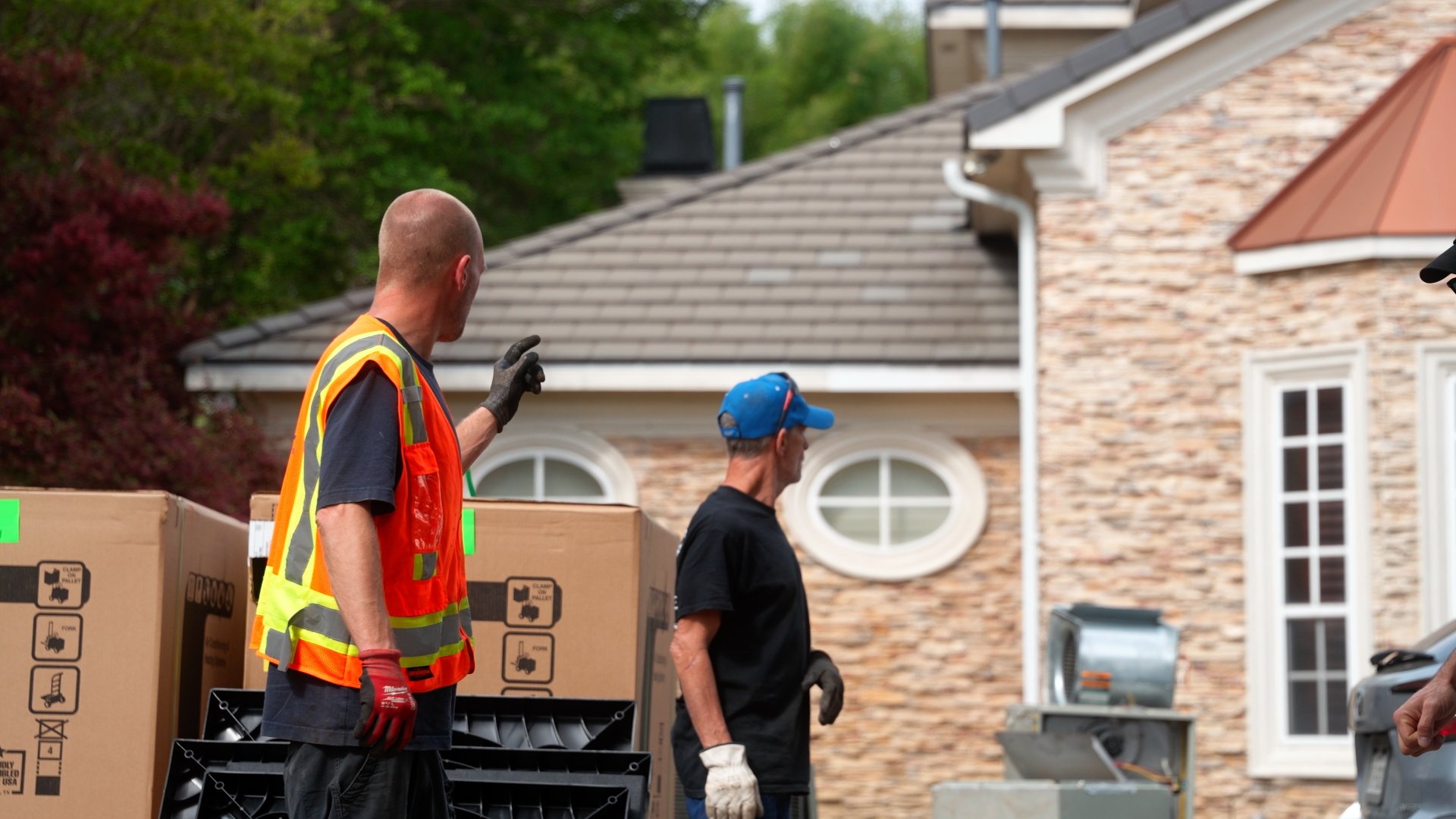
If a hail storm just rolled through the Dallas-Frisco area, the first thing to know is this: most hail damage does not announce itself. You usually will not see a hole or a leak the next morning. What you get instead is bruised shingles, knocked-off granules, and small cracks that let water in slowly over months. The safest move after a storm is a professional roof inspection, and a good local roofer will do that part for free.
We have been on North Texas roofs for years, and we saw it again this season when storms hammered the region and put hundreds of homes in line for repairs. Here is how to tell if your roof took a hit, what real hail repair looks like, and how to avoid the two mistakes that cost homeowners the most money.
How to tell if hail actually damaged your roof
Hail damage hides. From the ground, your roof can look completely fine while the shingle surface is quietly failing. A few signs you can check safely without climbing up:
Dented gutters, downspouts, or metal vents. Soft metal shows hail strikes first. If your gutters are dimpled, your shingles probably took the same hits.
Granules in the gutters or at the bottom of downspouts. Those little sandy bits are the shingle's sun protection. Hail knocks them loose, and once they are gone the shingle ages fast.
Dings on the AC unit, mailbox, or fence. Hail does not pick and choose. Damage on other surfaces is a strong clue the roof got the same treatment.
Water spots on ceilings or in the attic. This one shows up later, and by then the damage has been working for a while.
Pea-sized hail rarely hurts an asphalt roof. Once stones reach quarter size or bigger, which North Texas storms regularly deliver, that is when shingles start to fail.
Why a fast inspection matters more here than almost anywhere
Two clocks start ticking the moment a storm passes, and both work against you if you wait.
The first is your insurance window. Most Texas homeowner policies give you a limited time to file a hail claim, often a year, sometimes less. Damage found right after the storm is easy to tie to that event. Damage found two years later is a fight you usually lose.
The second is water. A bruised shingle is not leaking today, but every rain after the storm works at it. What could have been a simple repair turns into rotted decking and attic problems if it sits. Getting eyes on the roof early is the cheapest insurance you have.
What hail roof repair actually involves
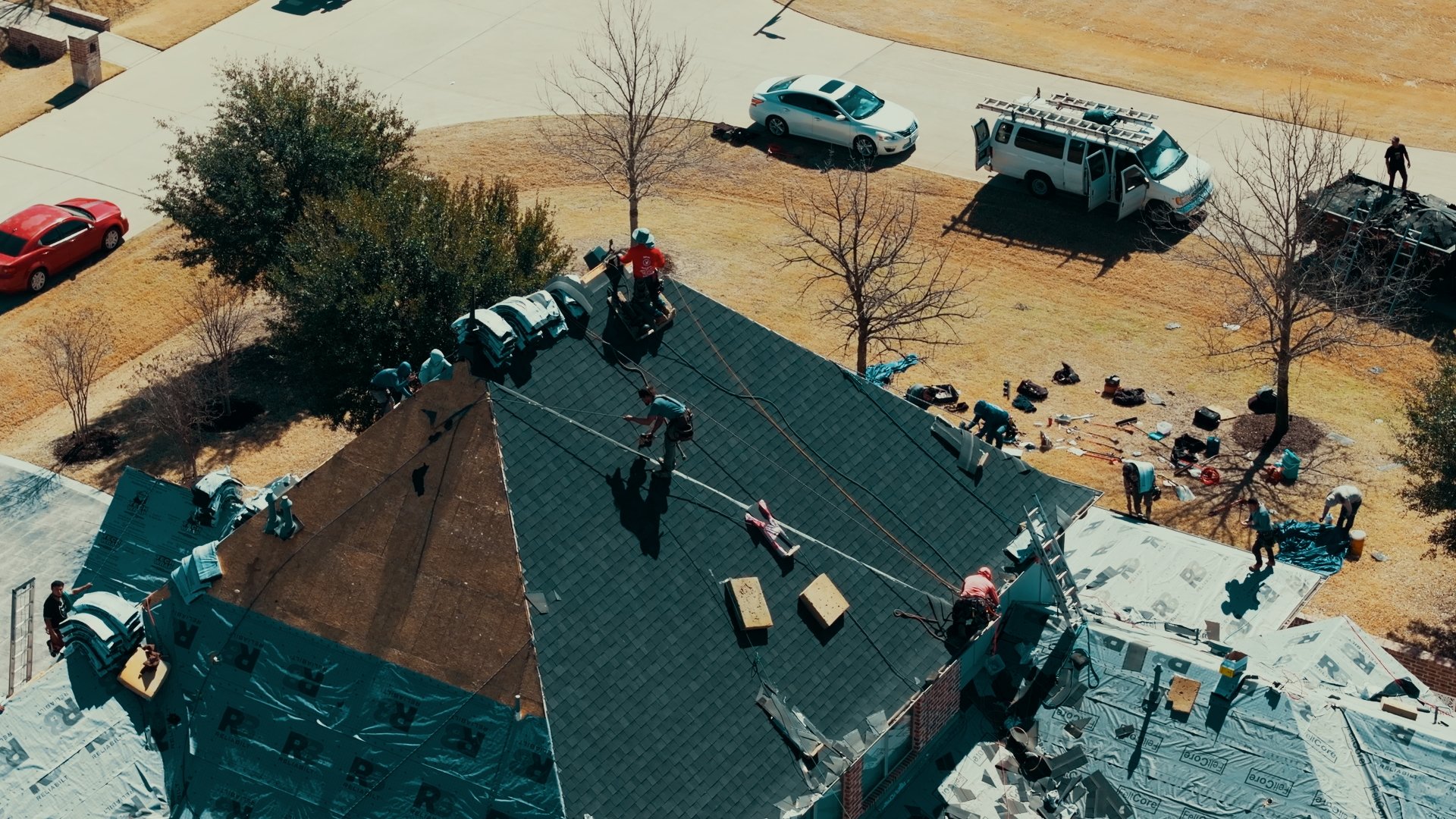
Repair is not always a full replacement, and an honest roofer will tell you which one you need.
For a roof with scattered damage on one slope, repair usually means replacing the affected shingles, checking the flashing around vents and valleys, and making sure the underlayment underneath is still sound. If the granule loss is widespread or the shingles are brittle from age plus the storm, replacement is the better call because patching a worn roof just delays the inevitable.
The part that trips people up is matching. If your shingles are several years old, the new ones may not match the faded existing color exactly. A good crew will talk through that with you instead of surprising you on install day. We put the recommendation in writing with a clear, upfront quote so you know what you are paying for before any work starts.
The two mistakes that cost homeowners the most
First, signing with a storm-chaser. After every big hail event, out-of-town crews flood the area, knock on doors, and push you to sign fast. Some do fine work. Many cut corners, miss the warranty paperwork, or are gone by the time a problem shows up. A local company that is here next year, and the year after, has every reason to do it right. We are family-owned and based right here in Frisco, licensed and insured in Texas.
Second, waiting to "see if it leaks." By the time it leaks, the repair bill is bigger and the insurance window may be closed. A free inspection costs you nothing and settles the question.
If you are in Frisco, Allen, or anywhere across the Dallas-Frisco metroplex, the smartest next step after a storm is simply to get the roof looked at.
What to do right now
Walk your property and check the gutters, downspouts, and AC unit for dents. Snap a few photos with the date on them. Then book a free roof inspection before the insurance clock runs down. You can schedule service online or call us at (469) 285-4457 and we will get out to you, usually the same day.
Frequently asked questions
How soon after a hail storm should I get my roof inspected? As soon as it is safe. Early inspection ties any damage clearly to the storm for your insurance claim and stops a small problem from becoming a leak. We offer free inspections across the Dallas-Frisco area.
Will hail damage always cause a leak? No, and that is the danger. Hail often bruises shingles and strips granules without an immediate leak. The damage works slowly, so a roof can look fine for months while it quietly fails.
Does insurance cover hail roof repair in Texas? Often yes, if you file within your policy's window and the damage is documented. The claim process has its own steps, which we walk through in our guide on filing a roof insurance claim after a Texas hail storm.
How do I know if I need a repair or a full replacement? It depends on how widespread the damage is and how old the roof is. A proper inspection answers it. Our walkthrough on what a roof inspection actually covers explains what a roofer checks.
Should I use the storm-chaser who knocked on my door? Be careful. Local, licensed companies are accountable long after the job. We are based in Frisco and stand behind our work in writing.